Photograph Ireland for a living and you learn quickly that the famous locations are famous for a reason, and also that most of them are photographed from the same three metres of ground by everybody who visits. This list of the best photography spots in Ireland is built from the places I actually return to with a camera.
Some are well known, a few are not. In each case I have said what the location gives you and what it costs you, because a spot that only works twice a year in the right conditions is a different proposition to one that works most mornings.
Most of the places below sit in Your Ireland Guide alongside another sixty or so, with the access notes, parking and light timings I use myself.
Have a look hereRossbeigh Beach, County Kerry
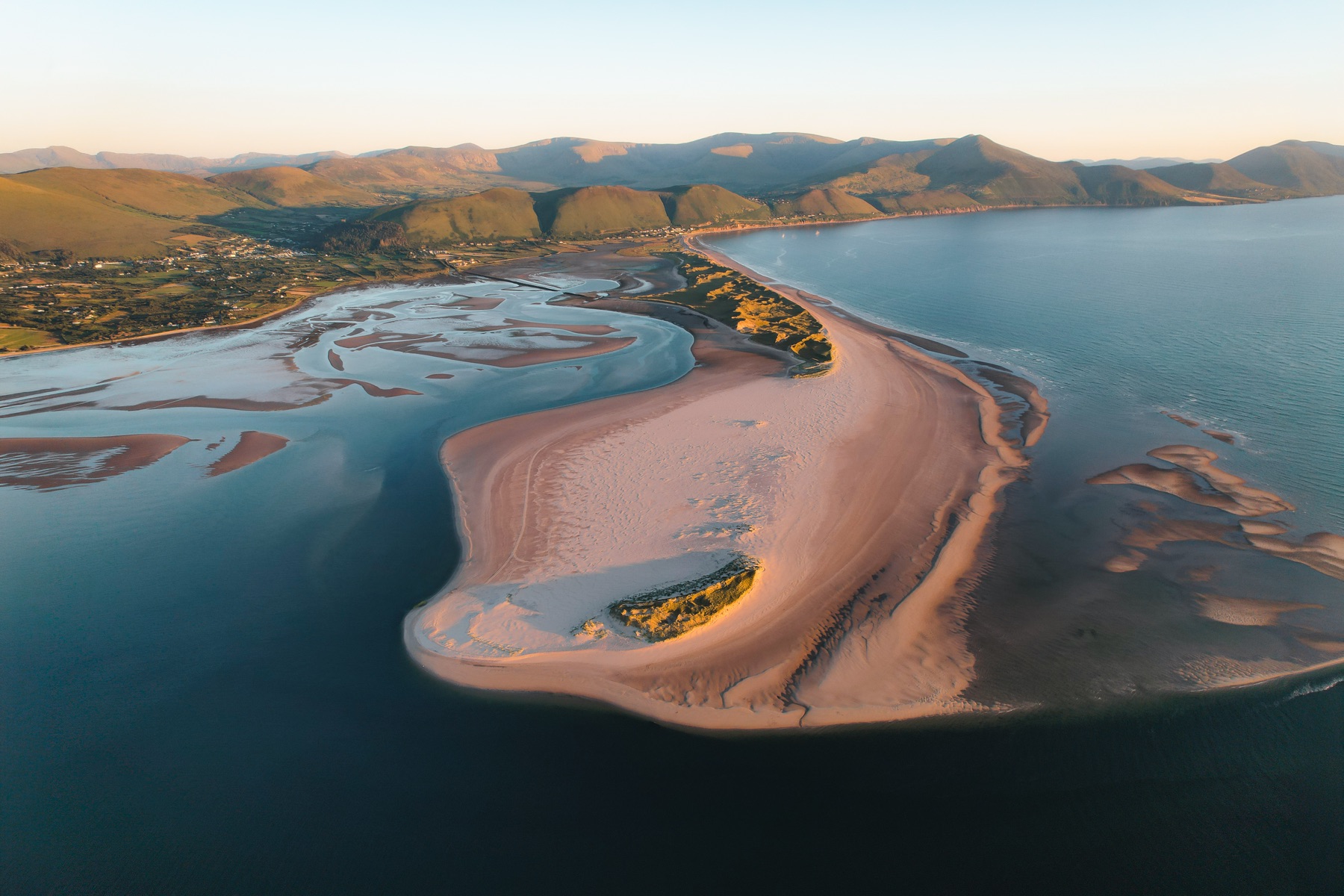
A long sand spit running into Dingle Bay with mountains on both sides. What makes it work is the wet sand at low tide, which turns the whole beach into a reflector for whatever the sky is doing.
Sunset, low tide, and a sky with some texture in it. On a clear blue evening there is very little to work with here.
Mussenden Temple, County Derry
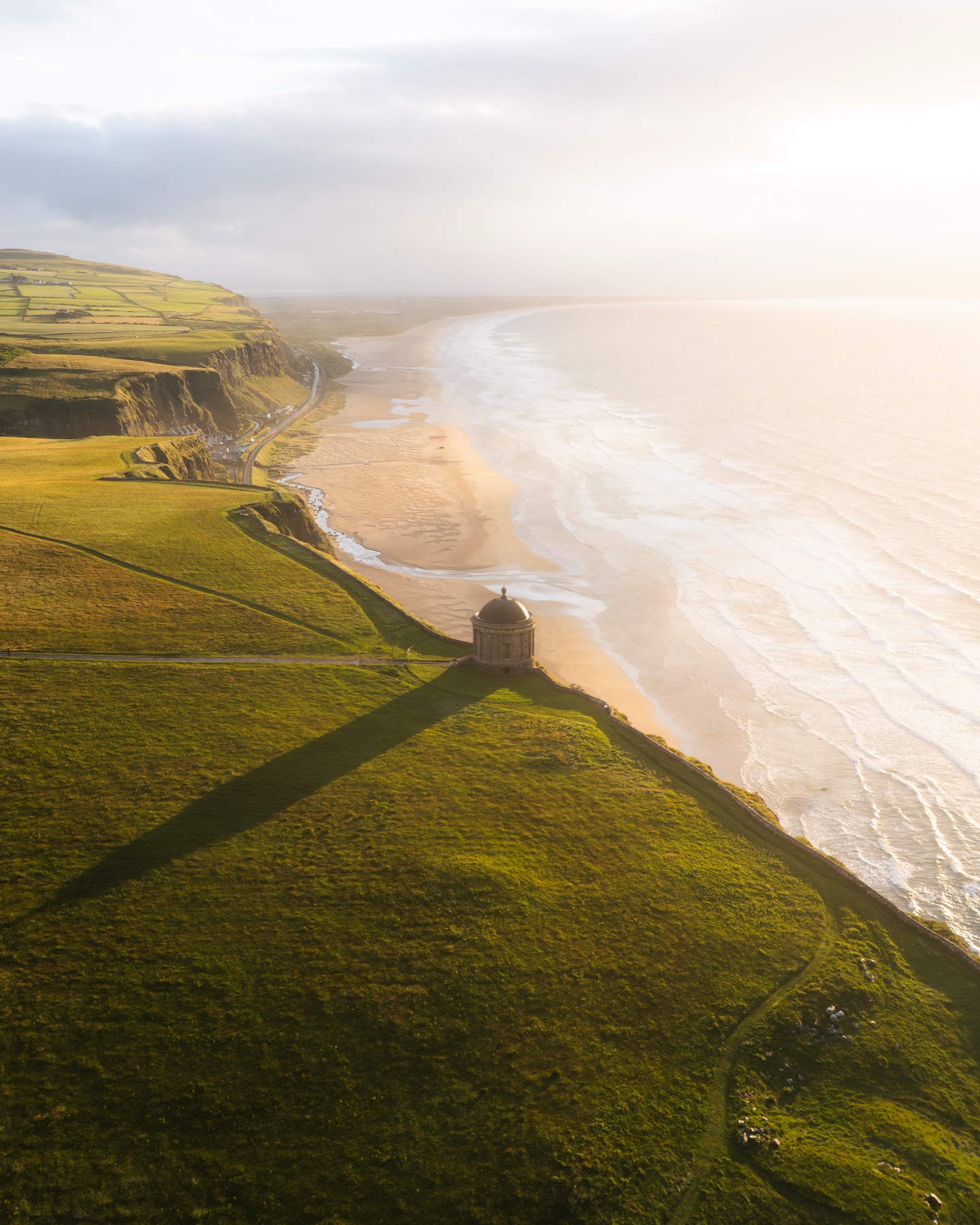
A small classical rotunda on a cliff edge above Downhill Strand, and probably the most recognisable building on the north coast.
The obvious shot is from the clifftop looking along the coast. The less obvious one is from Benone Beach below, with the temple small on the skyline.
Saltee Islands, County Wexford
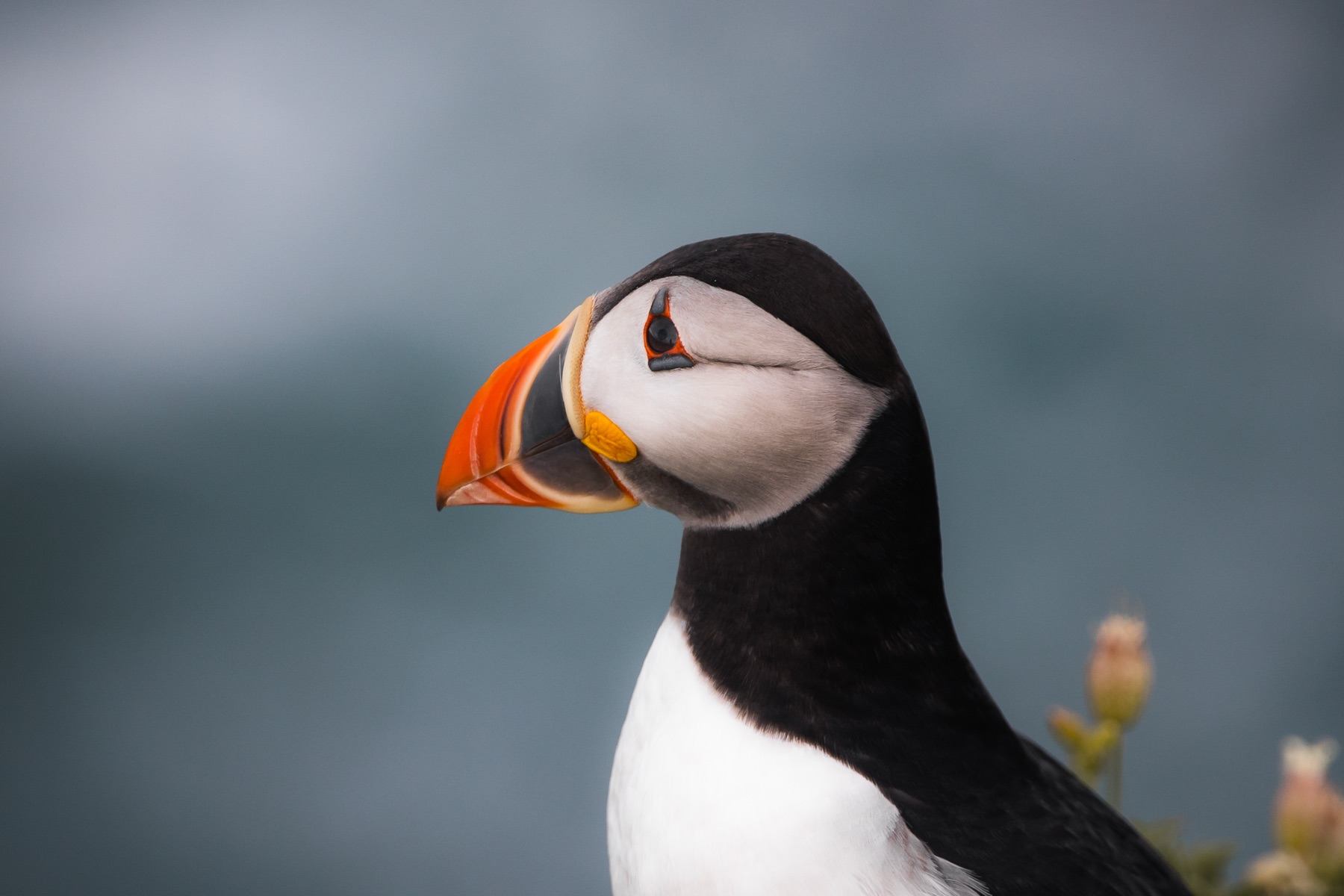
Puffins and gannets, reached by a boat crossing that only runs from spring through late summer, weather and demand permitting.
You need reach here. I have shot these birds at 200mm and wanted more. The colony is approachable enough that you do not need extreme telephoto, but 70-200 is the sensible minimum. Drones are not permitted, since the islands are a protected bird sanctuary, and there is nowhere to shelter or buy anything once you land, so bring what you need. Book the crossing well ahead in puffin season.
Mourne Mountains, County Down
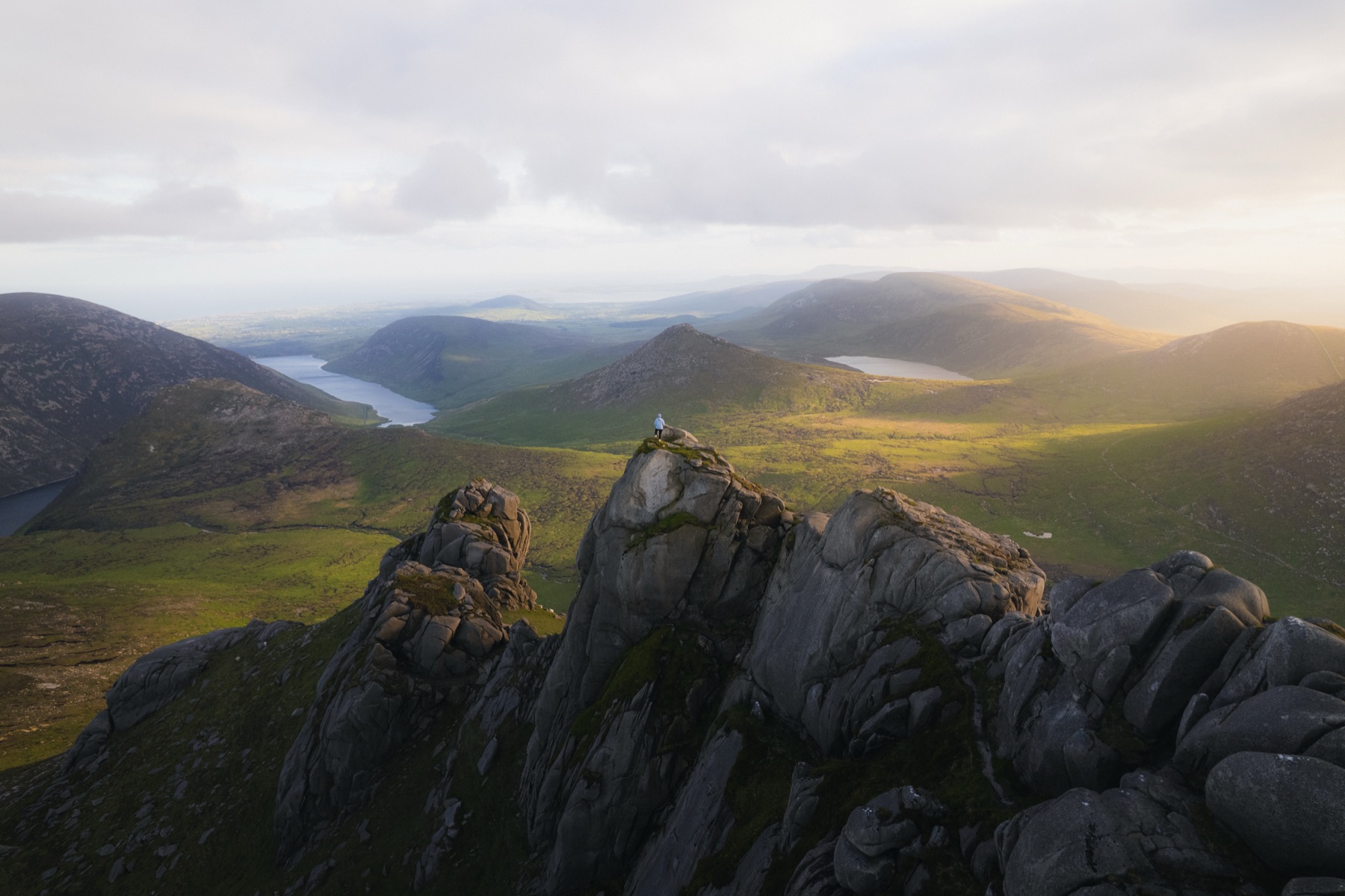
The Mournes give you something unusual in Ireland: real mountain shapes with clean granite lines, and the Mourne Wall running over several of the tops as a ready made leading line.
Proper hillwalking, not a roadside stop. Plan a full day and read the forecast honestly, because the tops hold cloud, and the granite tors that make the summits so photogenic are also exposed enough to turn unpleasant fast if the weather comes in.
Mizen Head, Barleycove and Three Castle Head, County Cork
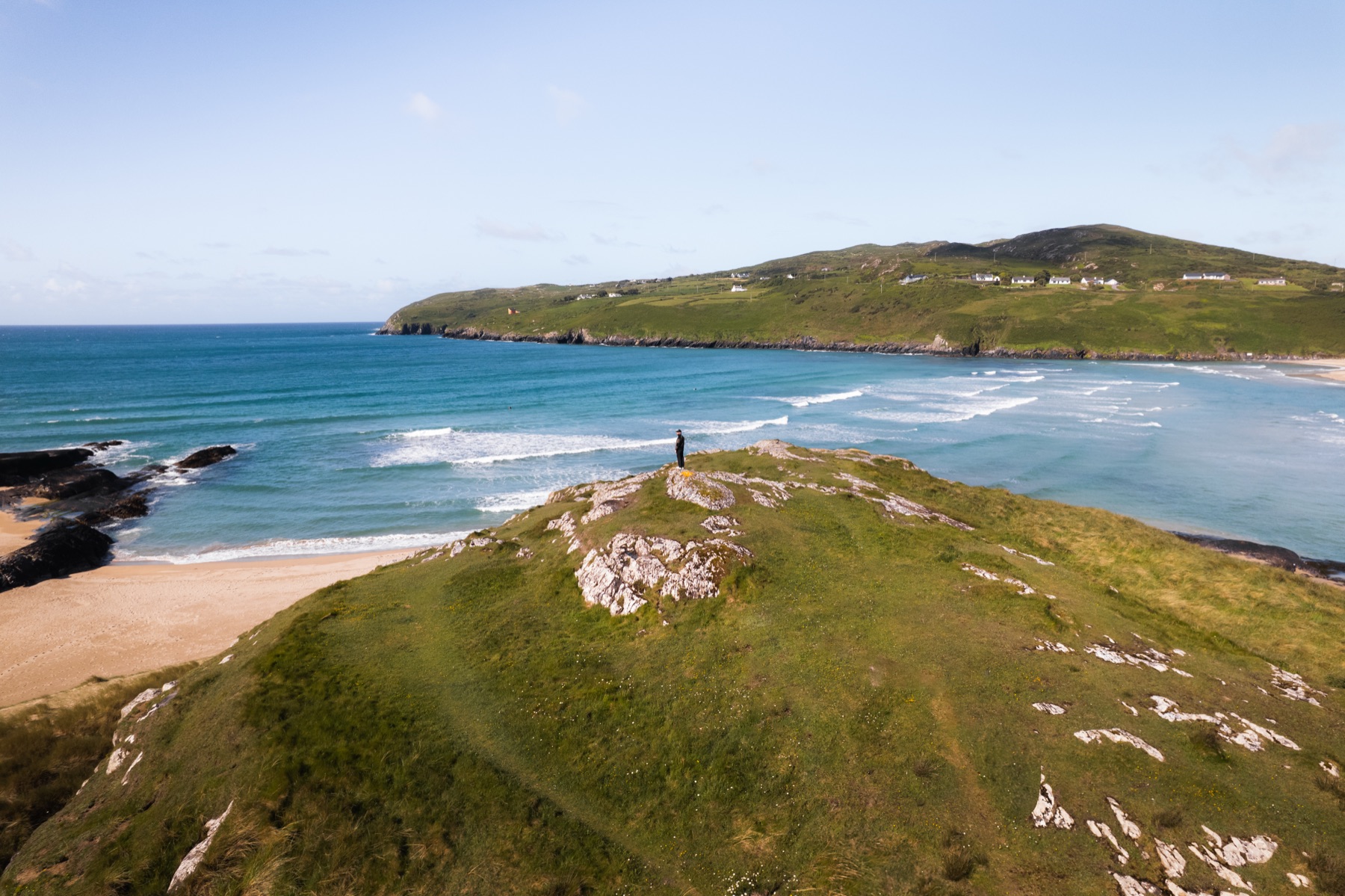
The far end of the Mizen Peninsula gives you three different subjects within a short drive: the bridge and cliffs at Mizen Head, the dunes and beach at Barleycove, and the promontory fort above the lake at Three Castle Head.
If you are driving that far south west, do all three in a day. The visitor centre at Mizen Head has a cafe, which matters because there is not much else out there.
Achill Island, County Mayo
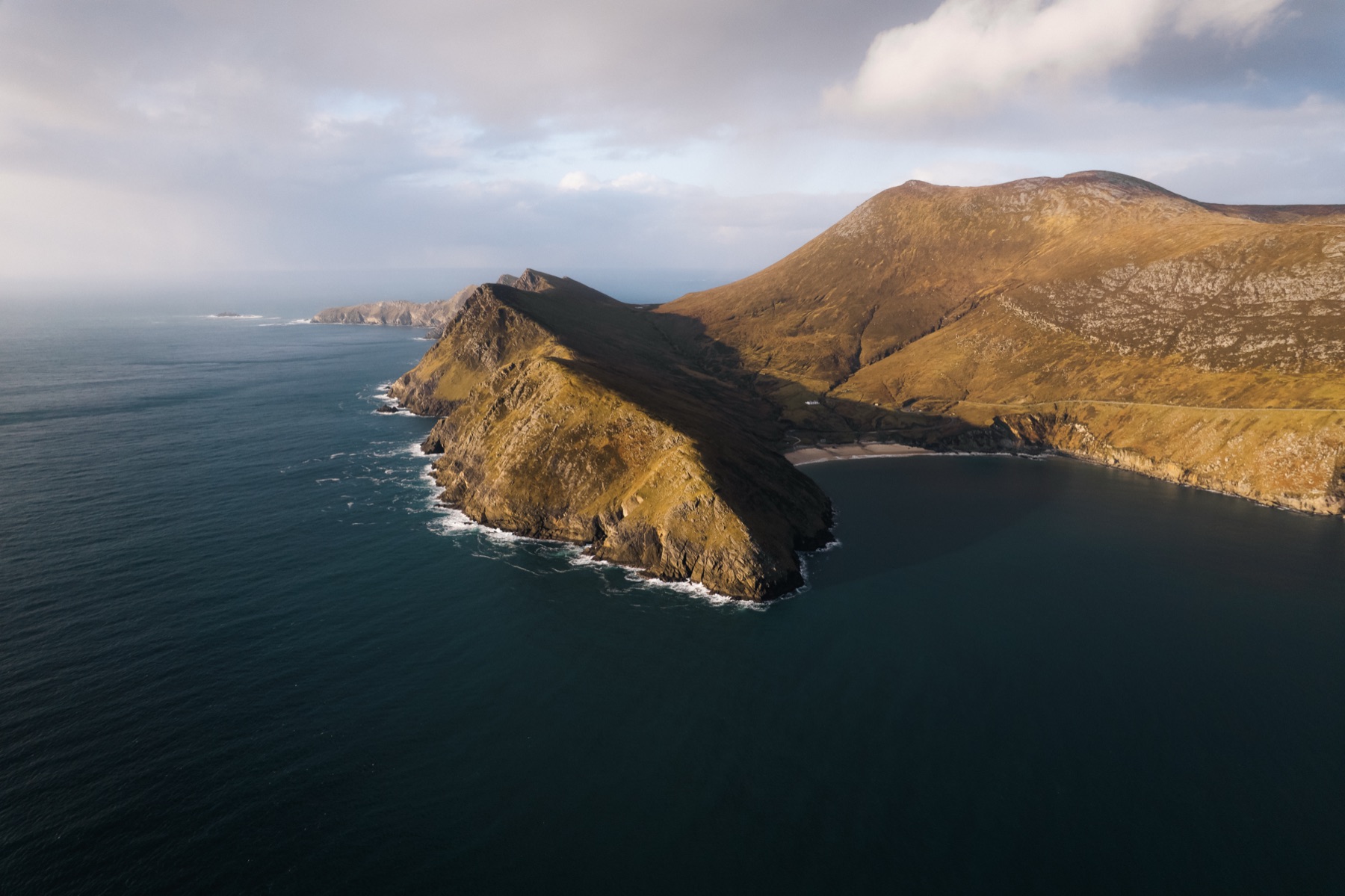
More variety than anywhere else on this list: Keem Bay, the cliffs at Croaghaun, the deserted village, the Atlantic Drive. You could spend a week and not repeat yourself.
Busy in July and August, particularly Keem. Early mornings solve most of that.
Downpatrick Head, County Mayo
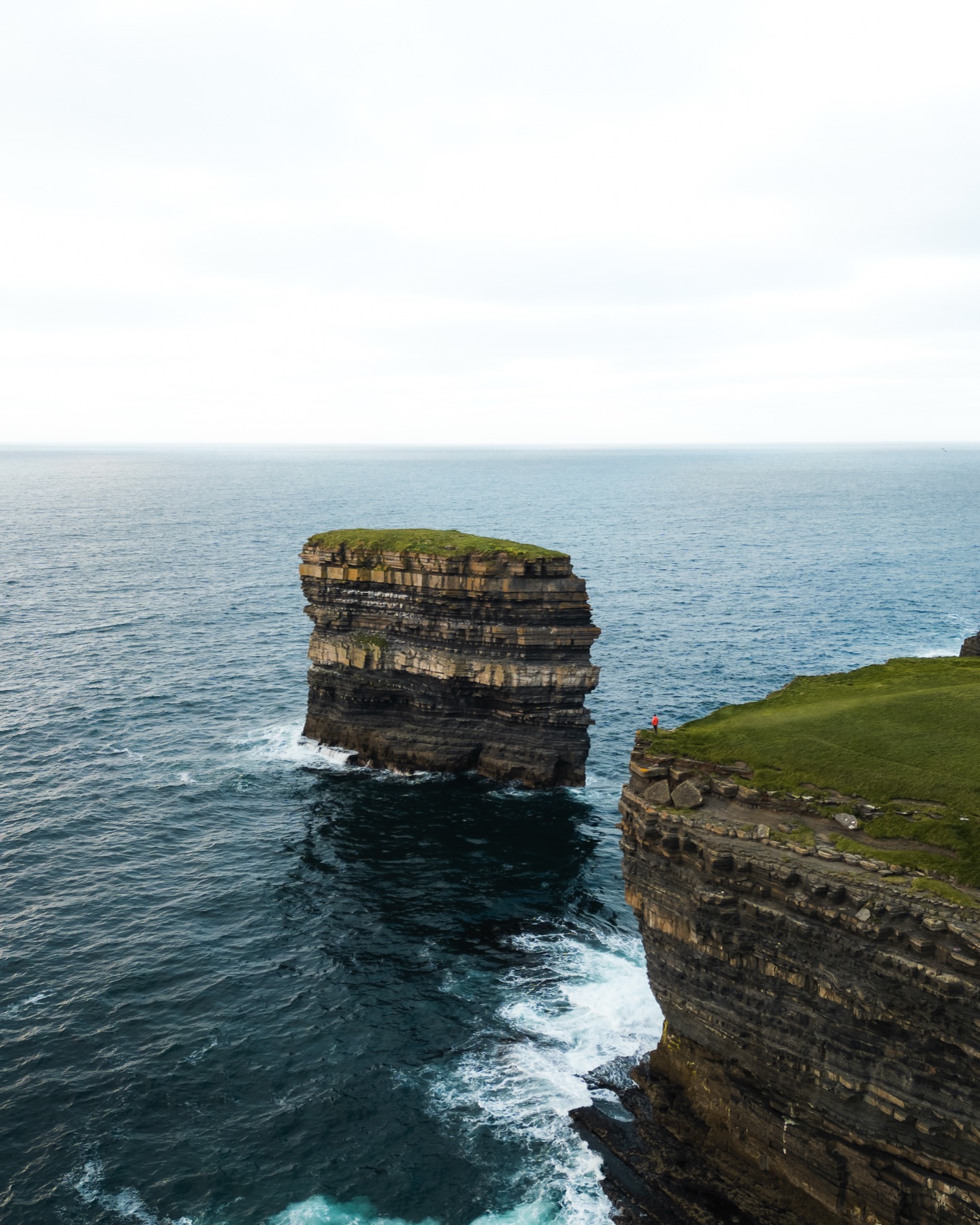
The sea stack, Dun Briste, standing just off the headland, with blowholes in the ground behind it. Short walk from the car park and one of the highest returns for effort in the country.
There are no barriers here at all and the wind is the limiting factor. Stay well back from the edge in a strong westerly. I mean that literally.
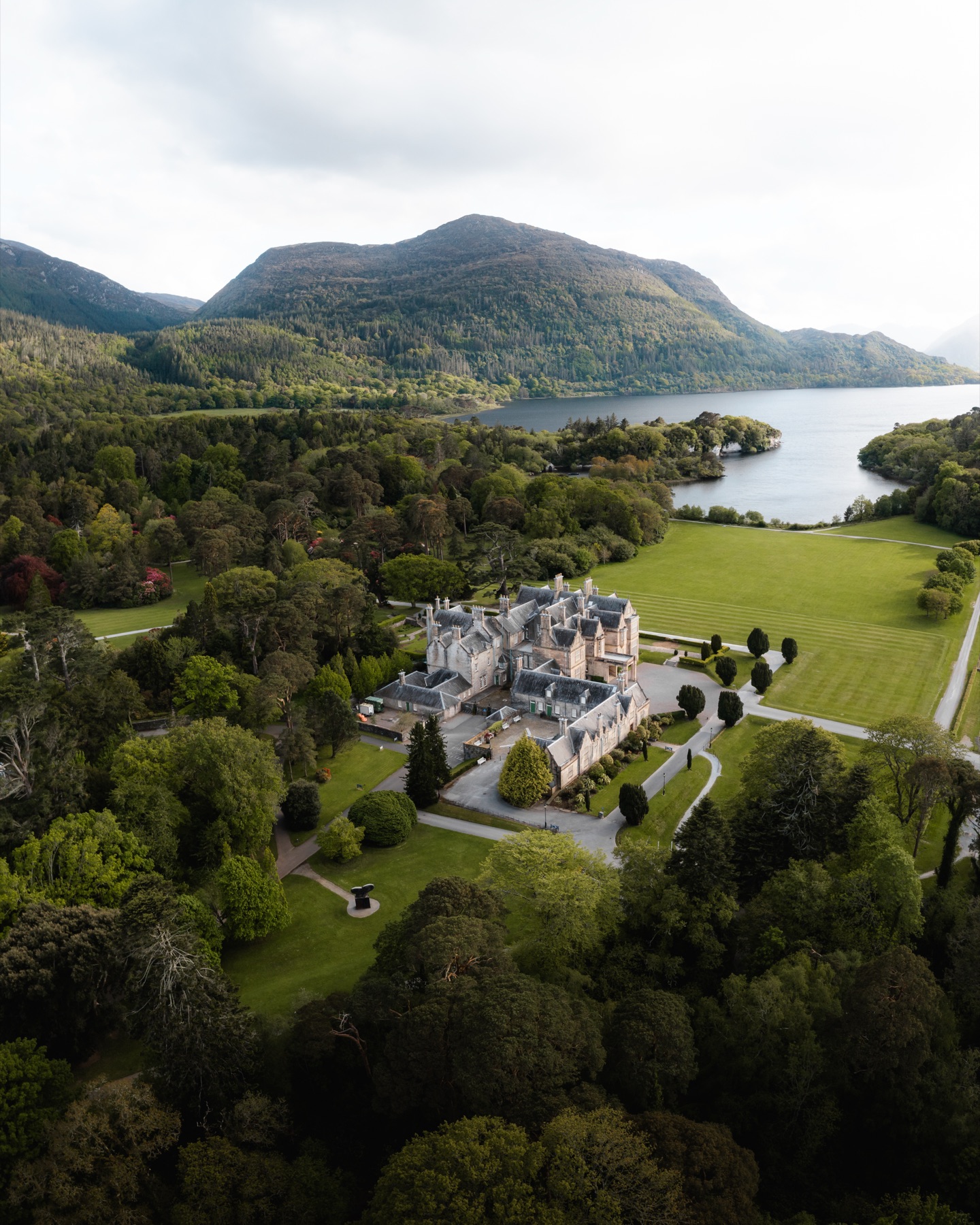
Muckross House and Abbey, County Kerry
Killarney National Park, so it is busy, but the abbey in particular rewards early arrival and soft light. The old yew in the cloister is the subject most people come for.
Overcast suits it far better than sun.
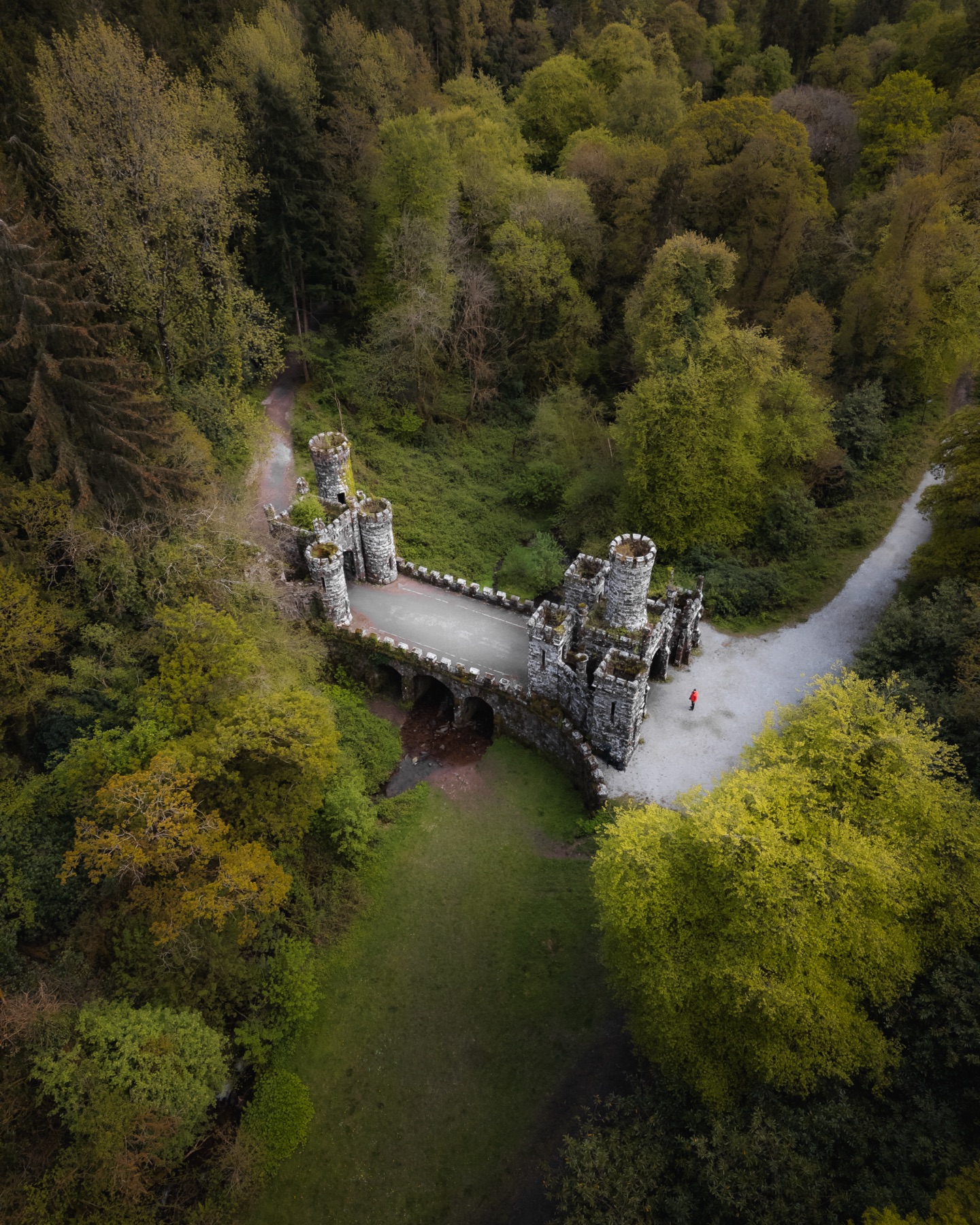
Ballysaggartmore Towers, County Waterford
Gothic gate lodges in woodland near Lismore, covered in more detail in my hidden gems post. Soft light only, and autumn is the season.
Hag's Head, Cliffs of Moher, County Clare
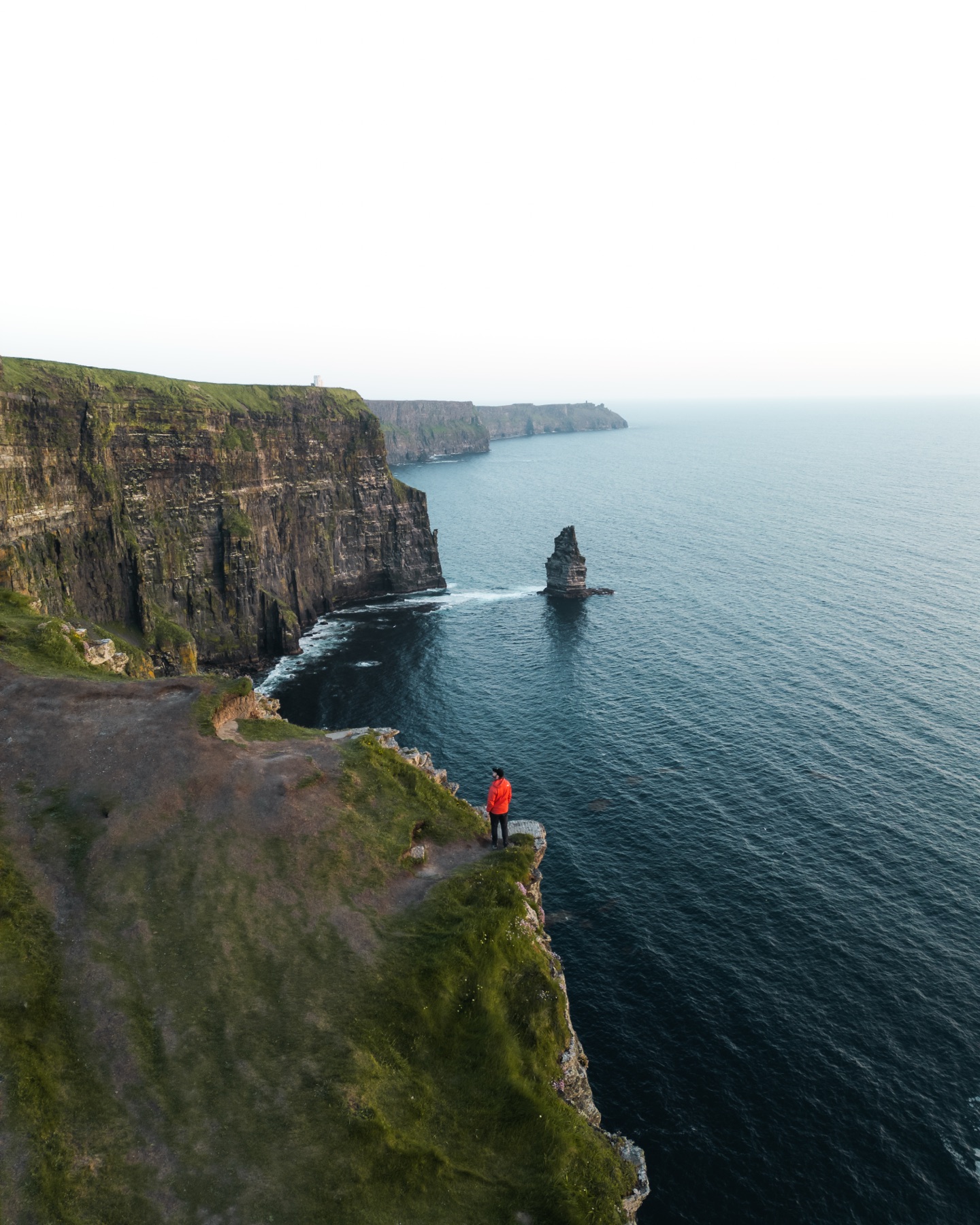
The Cliffs of Moher appear on every list, almost always shot from the visitor centre. Hag's Head is the southern end of the same cliffs and my preferred approach: fewer people, a better angle back along the whole cliff line, and you only pay for parking.
It is a walk rather than a step out of the car, which is exactly why it stays quiet.