The single biggest thing I had to unlearn when I moved to Ireland from Germany is that here, you do not wait for good weather to do Ireland landscape photography. If you wait for good weather you will not photograph anything.
What you do instead is learn to read moving weather, because that is what this island mostly has, and it is also what makes it worth photographing. A clear blue day here produces flat, forgettable pictures. A day with squalls coming in off the Atlantic produces the ones people remember.
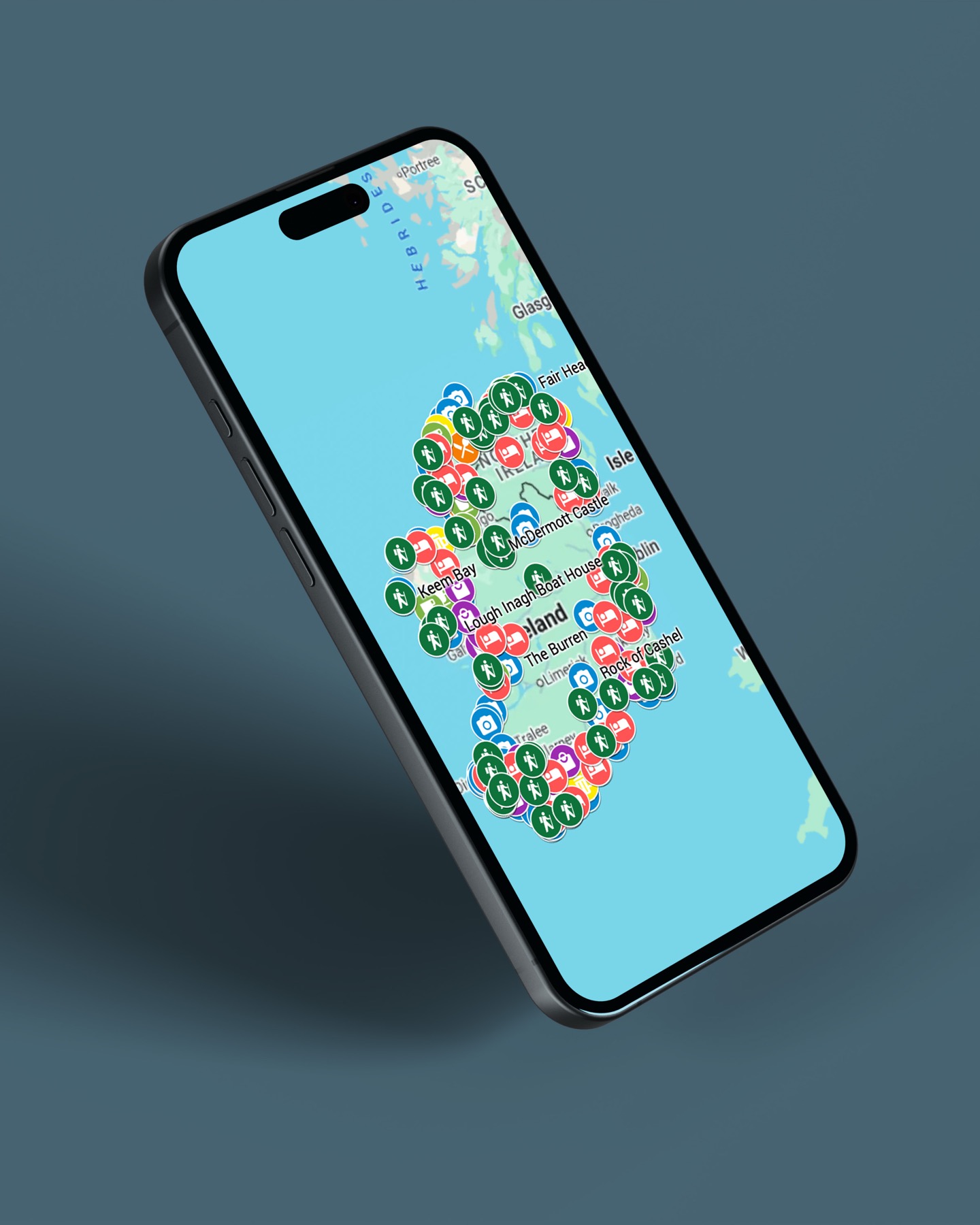
Most of the places I mention below sit in Your Ireland Guide alongside another sixty or so, with the access notes, parking and light timings I use myself.
Have a look hereThe light through the year
Summer light here is long and thin. In June the sun is up before five and down close to ten, which sounds generous until you realise that golden hour at these latitudes stretches out and softens rather than concentrating. You get a long gentle window rather than a short intense one.
Winter is the opposite and, in my view, better. In December the sun barely climbs, so you get raking side light for most of the usable day. Short days, but almost all of them shootable.
Spring and autumn are the compromise, and the shoulder months are when I do most of my own work.
Weather, and how to actually use it
The useful shift is to stop thinking of rain as the end of a shoot.
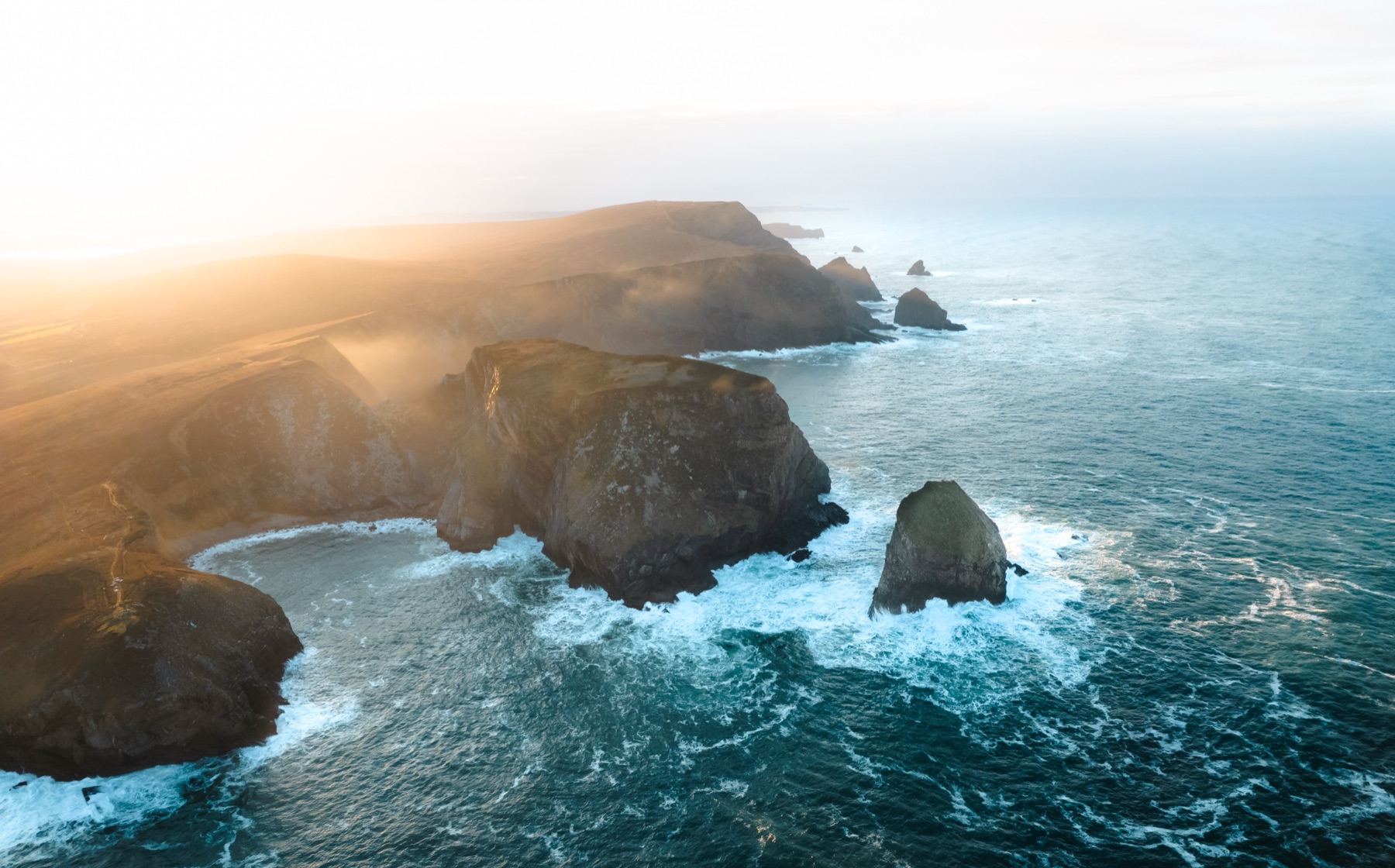
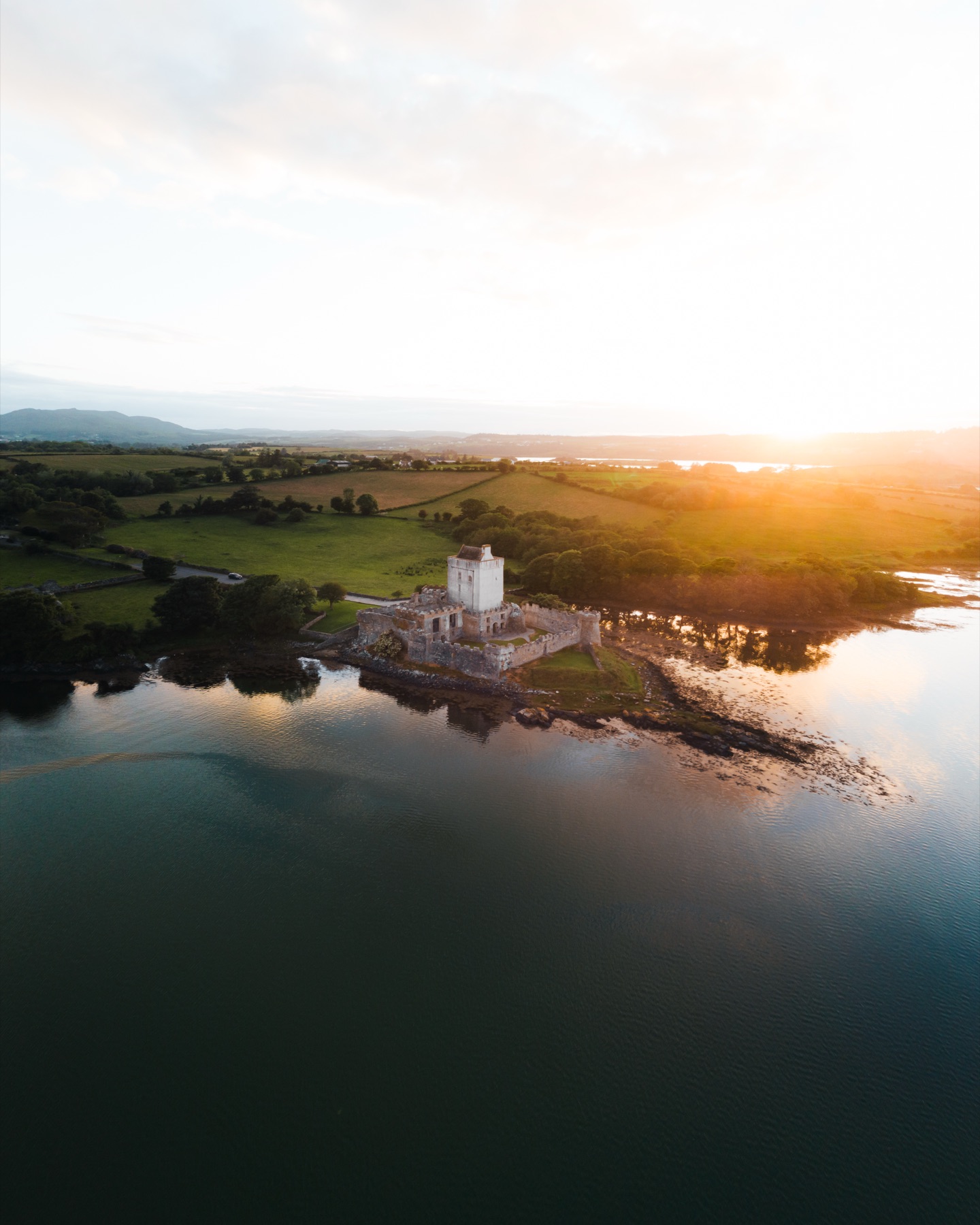
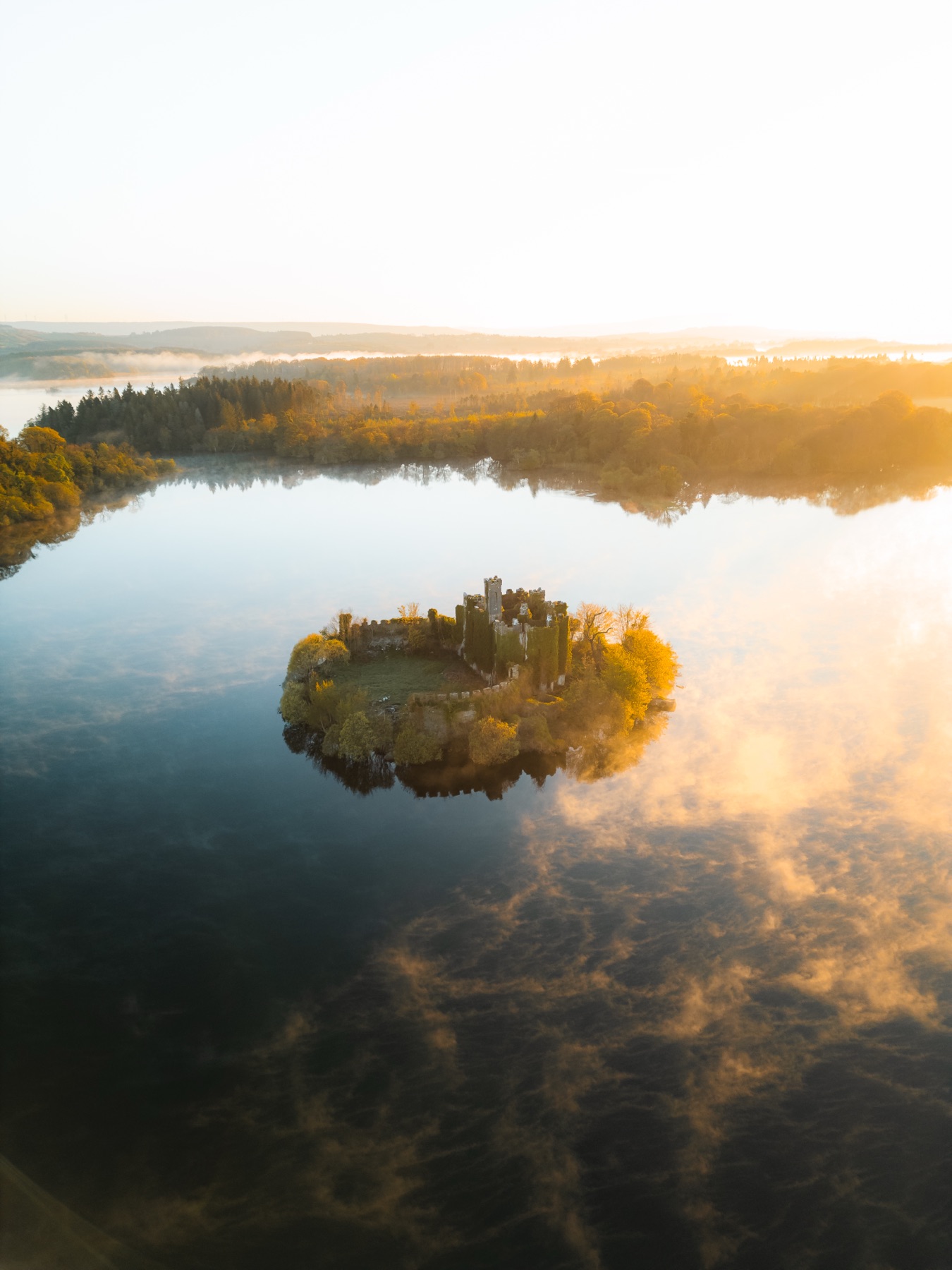
What you want is the edge of weather: the twenty minutes after a shower clears, when the ground is wet and reflective and the sky still has structure in it. Light breaking through a gap in cloud onto a wet headland is the thing Ireland does better than almost anywhere.
That means being in position before conditions are good, not after. Most of my best pictures here came from sitting in a car for an hour waiting for something to pass.
What I got wrong for the first two years
I chased sunrise almost exclusively, because that is what you are told to do. In Ireland that is often the wrong call.
A lot of this coastline faces west, which means evening light hits it front on and morning light leaves it in shade. I spent a lot of early mornings at places that would have been far better at six in the evening. Check which way the ground faces before you set an alarm.
Gear that earns its place
I shoot a Canon EOS R6 with a 24-105mm f/4 as the lens that stays on the body, a 70-200mm f/2.8 for compression, and a DJI drone.
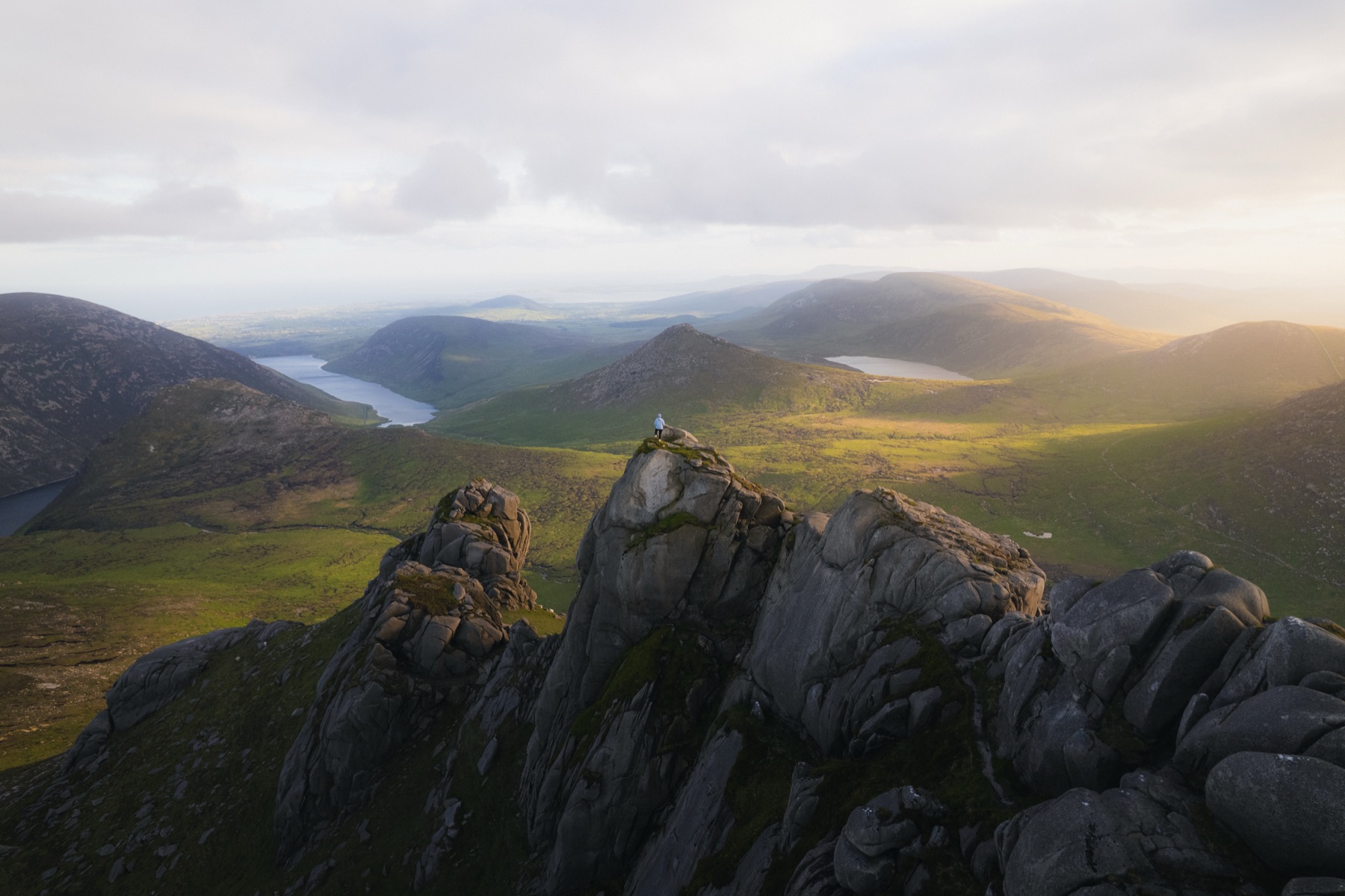
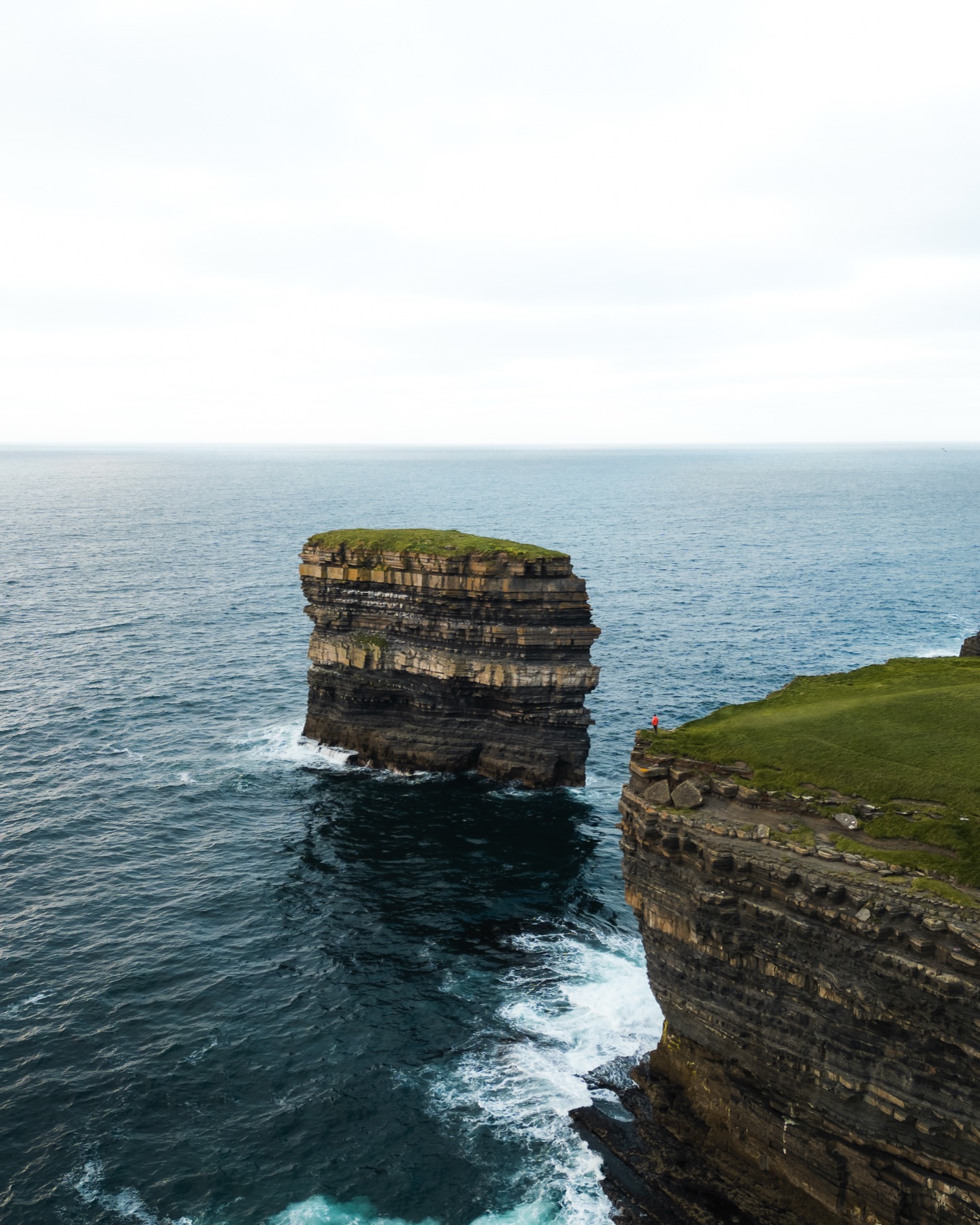
The telephoto is the one people underestimate for landscape work. Compressing a headland against the hills behind it produces something you cannot get with a wide lens, and Ireland's layered coastal terrain suits it well.
Beyond that: a cloth for the front element, because you will be wiping salt and rain off it constantly, and more batteries than you think, because cold and wind eat them.
When to come
For the most workable light and the fewest people, come in late September or October. Long enough days for two shooting windows, weather with some drama in it, and the summer traffic gone.
August is the hardest month. Busiest roads, softest light, and often the flattest skies of the year.
One last thing
Do not over-plan the shot. Plan the place, the direction it faces, and roughly when the light should work. Then let the weather decide the picture.
That is the part I enjoy most about photographing here. You cannot fully control it, and the results are better for it.